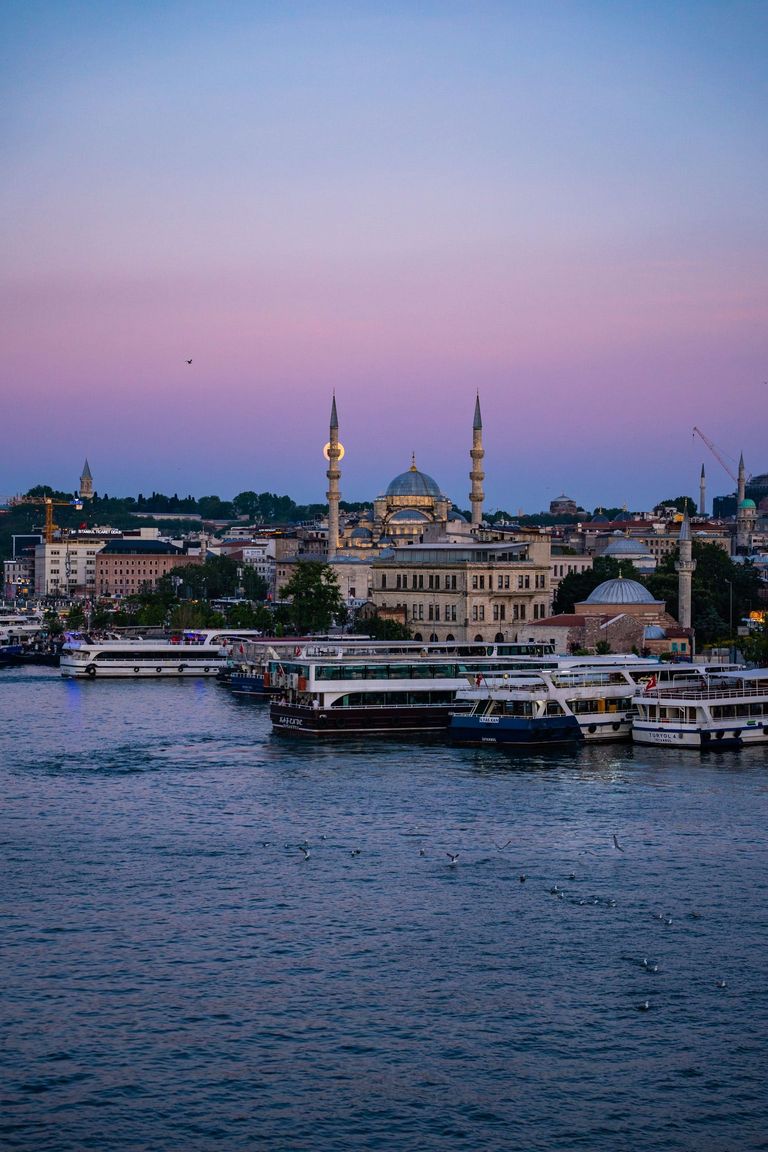
Istanbul in 3 Days: Itinerary for First-Time Visitors
A three-day Istanbul plan: Old City highlights, markets and the Asian side, Bosphorus and palaces, plus getting around, what to eat and scams to avoid.
On this page
Update note (19 October 2026): Entry fees, opening hours and prayer-time closures change. Hagia Sophia's foreign-visitor fee is reported at 25 euros (since January 2024), but check the current price and rules before you go.
How to use this 3-day plan
Istanbul sits on two continents, split by the Bosphorus. Distances are bigger than they look on a map, so this plan groups sights by neighborhood and uses ferries and metro where possible. It suits first-time visitors who want the classic highlights with room for food stops.
Day 1: The Old City (Sultanahmet)
- Hagia Sophia: A former Byzantine cathedral that is now a mosque. According to a ministry statement reported by CNN Türk, foreign tourists pay 25 euros to visit the gallery level, with entry beginning in January 2024. Confirm the current arrangements.
- Blue Mosque (Sultanahmet Mosque): Free to enter but closed to visitors during prayer times. Dress modestly and remove your shoes.
- Basilica Cistern: A Byzantine underground reservoir with a forest of columns.
- Topkapı Palace: The Ottoman sultans' residence; the Harem section often requires a separate ticket.
- Grand Bazaar: A covered market with thousands of shops. Bargaining is expected; compare prices before you buy.
Day 2: Markets, Galata and the Asian side
- Süleymaniye Mosque: Great views over the Golden Horn.
- Spice Bazaar (Mısır Çarşısı): Spices, Turkish delight and dried fruit.
- Galata Bridge and the waterfront: Fishing rods, fish sandwiches and ferry terminals.
- Galata Tower and Karaköy: Viewpoints, cafes and street art.
- Ferry to Kadıköy (Asian side): A short, scenic ferry ride. Kadıköy's market streets are good for lunch and snacks.
Day 3: Bosphorus and palaces
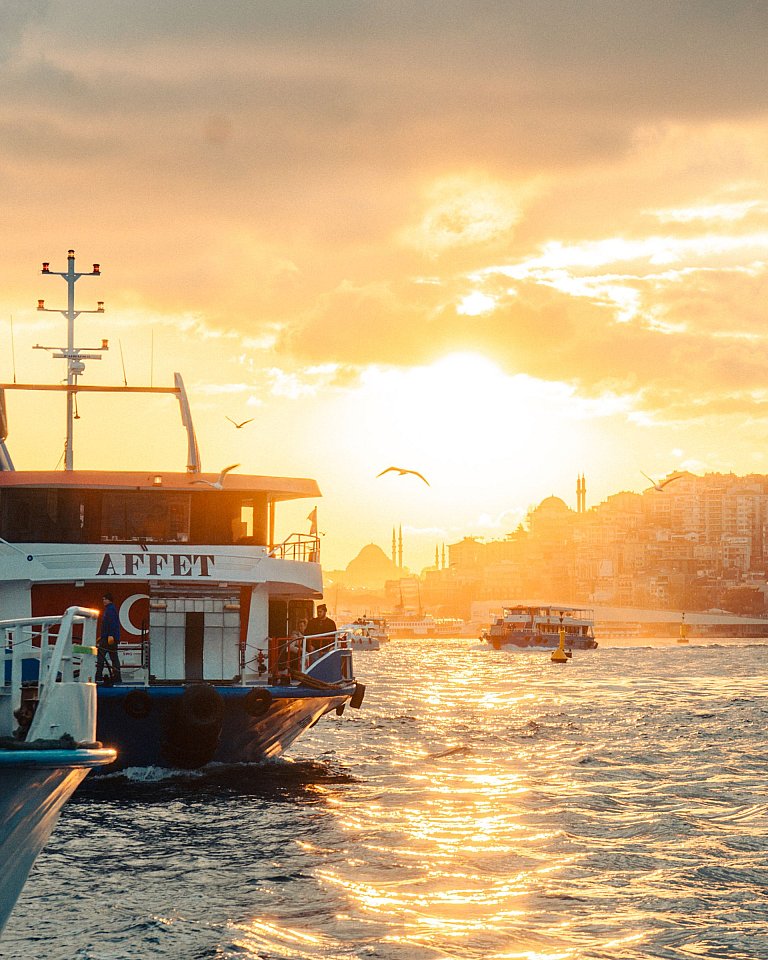
- Bosphorus cruise: Public ferries run on set routes and are an inexpensive way to see the waterfront. Private tours are available too; compare operators.
- Dolmabahçe Palace: A 19th-century palace with grand interiors; tours are often guided and ticketed.
- Ortaköy: A waterfront district known for its mosque beneath the Bosphorus Bridge and its street food.
- Optional: Fener and Balat for colorful streets, or Çamlıca Hill for panoramic views.
Getting around
- Istanbulkart: A rechargeable transit card used on metro, tram, bus and ferries. Get one at ticket machines or kiosks and compare it with single-ride tickets.
- From the airports: Istanbul Airport (IST) and Sabiha Gökçen (SAW) are linked to the city by metro and shuttle buses. Routes and connections change, so check the current transit map.
- Taxis: Insist on the meter, or use a ride-hailing app that shows the fare up front.
- Walking: The Old City is walkable but hilly.
What to eat
- Turkish breakfast (kahvaltı): cheeses, olives, eggs, tomatoes and bread.
- Street food: simit (sesame bread rings), balık ekmek (fish sandwich), roasted chestnuts and corn in season.
- Meze and grilled meats in restaurants; baklava and Turkish tea for dessert.
- Turkish coffee, served unfiltered, is part of the culture.
Common scams and how to avoid them
- Shoe-shine trick: A passerby drops a brush; if you pick it up, the shiner may demand payment. Politely decline.
- Overfriendly invitations: Invitations to a carpet shop, bar or restaurant can end with inflated bills. Agree on prices first.
- Menus without prices: Always check prices before ordering.
- “The attraction is closed” claims: Check the official opening hours yourself.
When to go and etiquette
Spring and autumn are the most comfortable seasons; summer is hot and crowded; winter is rainy and quieter. Tipping is customary at restaurants (often around 10 percent if no service charge is included). Dress modestly in mosques and carry a scarf for women if required. Opening hours may change during religious holidays and Ramadan.
Next steps
Continue to Cappadocia for the next leg of your trip, and check how to get a Turkey e-Visa before you fly.
Kaynaklar
- CNN Türk: Hagia Sophia entry for foreign tourists
- Republic of Türkiye Ministry of Foreign Affairs (to verify entry rules)
Frequently asked questions
How many days do I need in Istanbul?
Three days covers the main highlights. Five days allows a slower pace and extra neighborhoods.
Is Hagia Sophia free?
Reports say foreign tourists pay 25 euros for the gallery level since January 2024. Prices and arrangements can change, so check before you go.
What is the best way to get around?
A mix of metro, tram, ferry and walking. An Istanbulkart simplifies payments.
Is it safe to visit Istanbul?
Most visitors have no problems. Watch for common tourist scams and keep an eye on your belongings in crowded areas.
When is the best time to visit?
Spring and autumn are the most comfortable; summer is hot and crowded.